

In the Shadows Series
The Secret Life of a Feral Cat
Feral cats are the hidden piece to the unwanted pet population puzzle. These cats are often go unknown, mistreated, or are harshly judged by society.
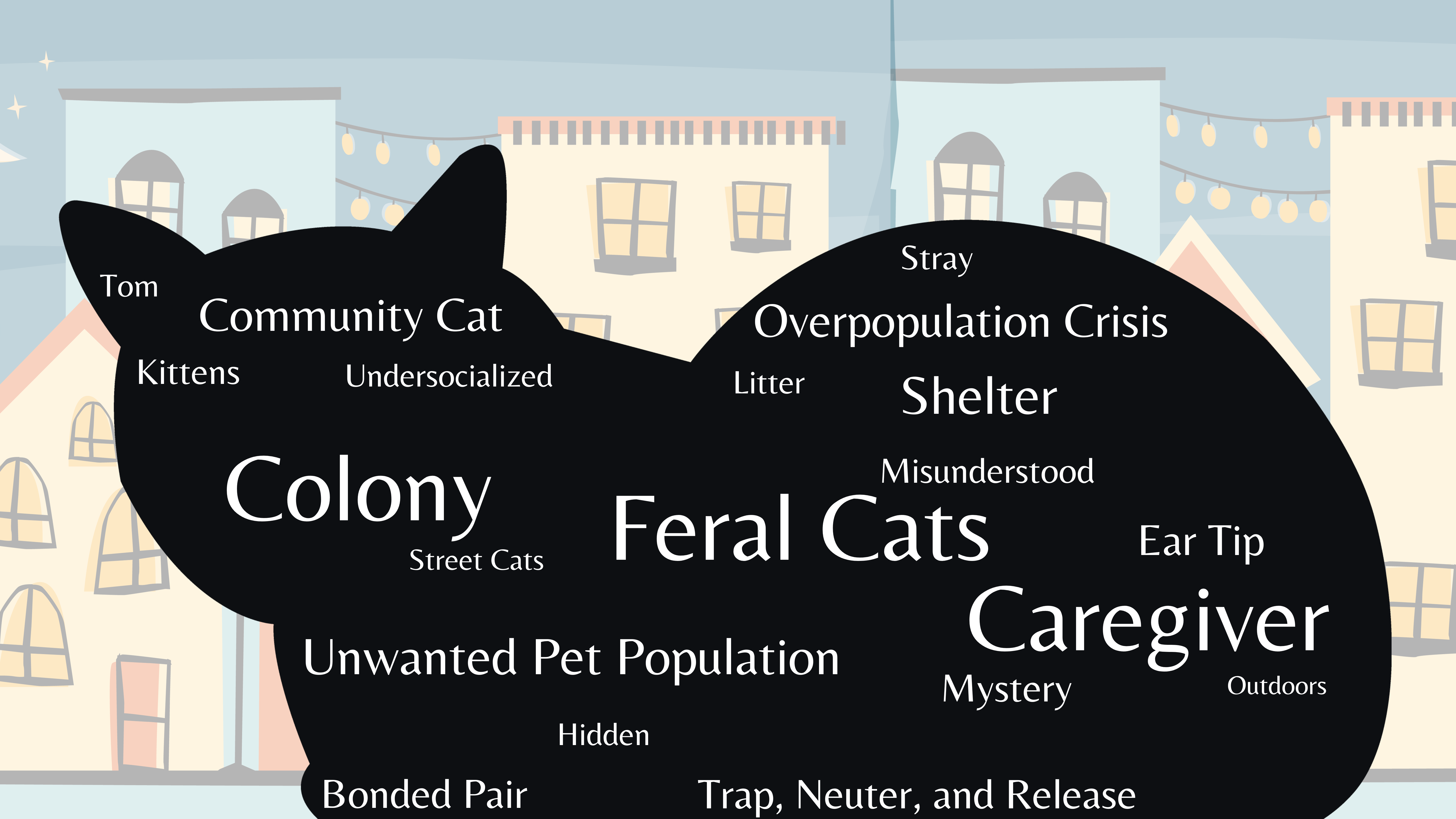
Feral cats are wild, undersocialized cats that live solely outside. They can form colonies, or a group of cats, similar to how wolves live in packs. However, while wolves need other wolves for survival, feral cat colonies are still a bit of a mystery. Feral cats are solitary hunters, whether they live in colonies or alone.
According to National Geographic, scientists still have yet to figure out the complex social behaviour of feral cats.
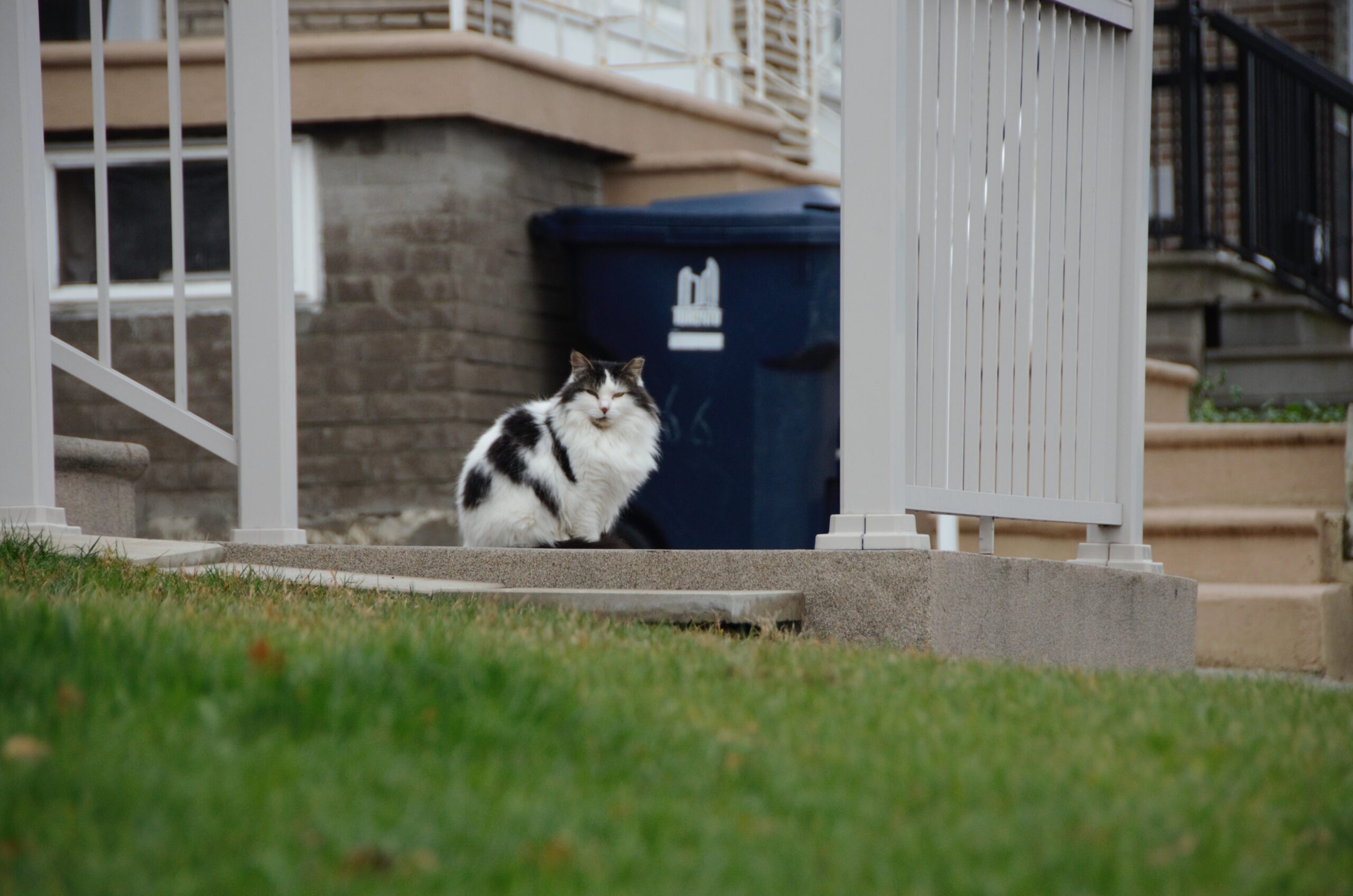
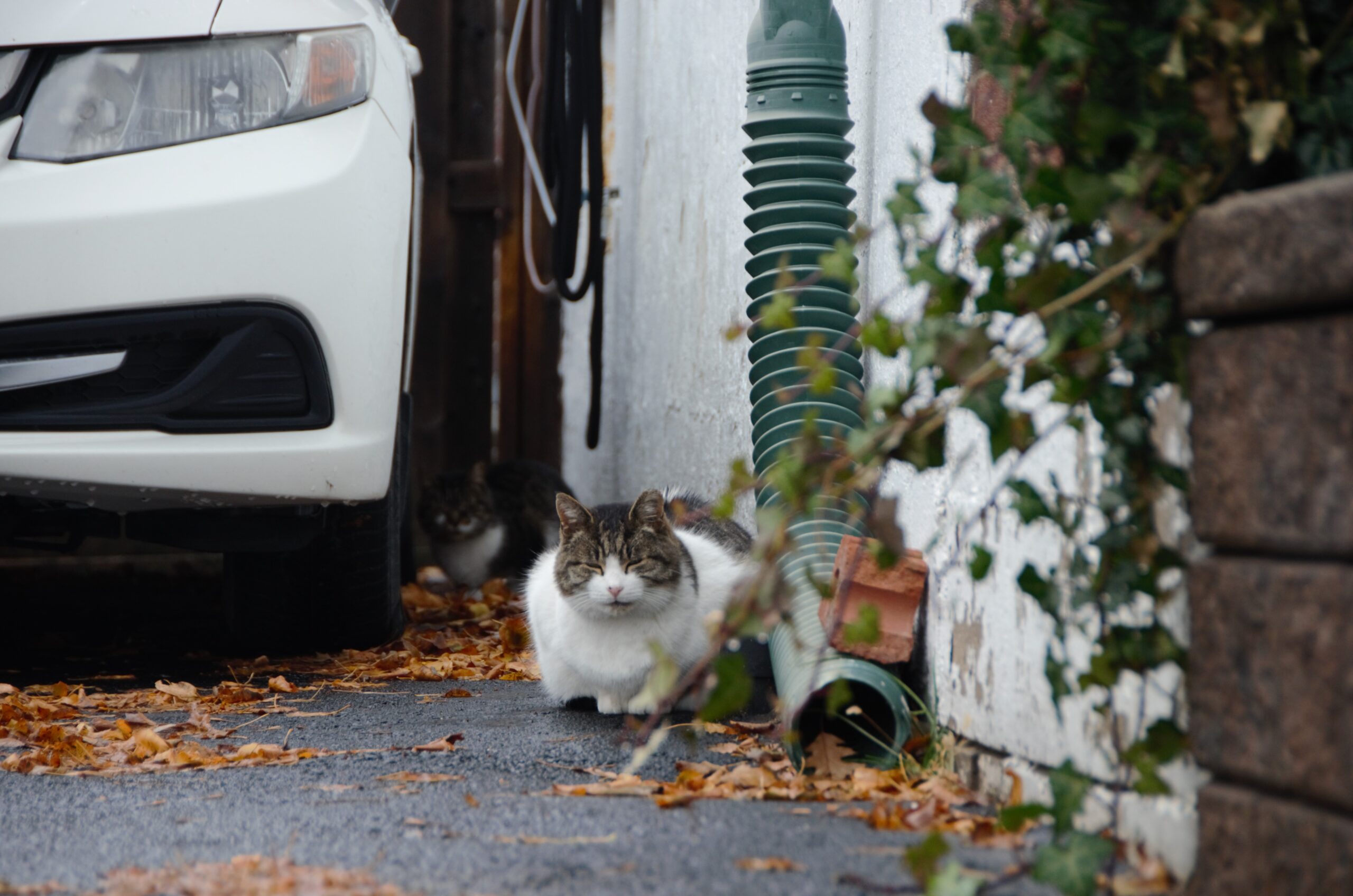
Feral cats are hidden in the shadows of society, often unseen by people. Also known as community cats, feral cats are often the forgotten or unknown piece of the unwanted pet population.
The unwanted pet population involves any homeless pet, whether the animal is a stray, owner surrender, or feral animal.
Cats are not native to Canada, which means the feral cat population most likely began due to a previously owned cat being dumped.
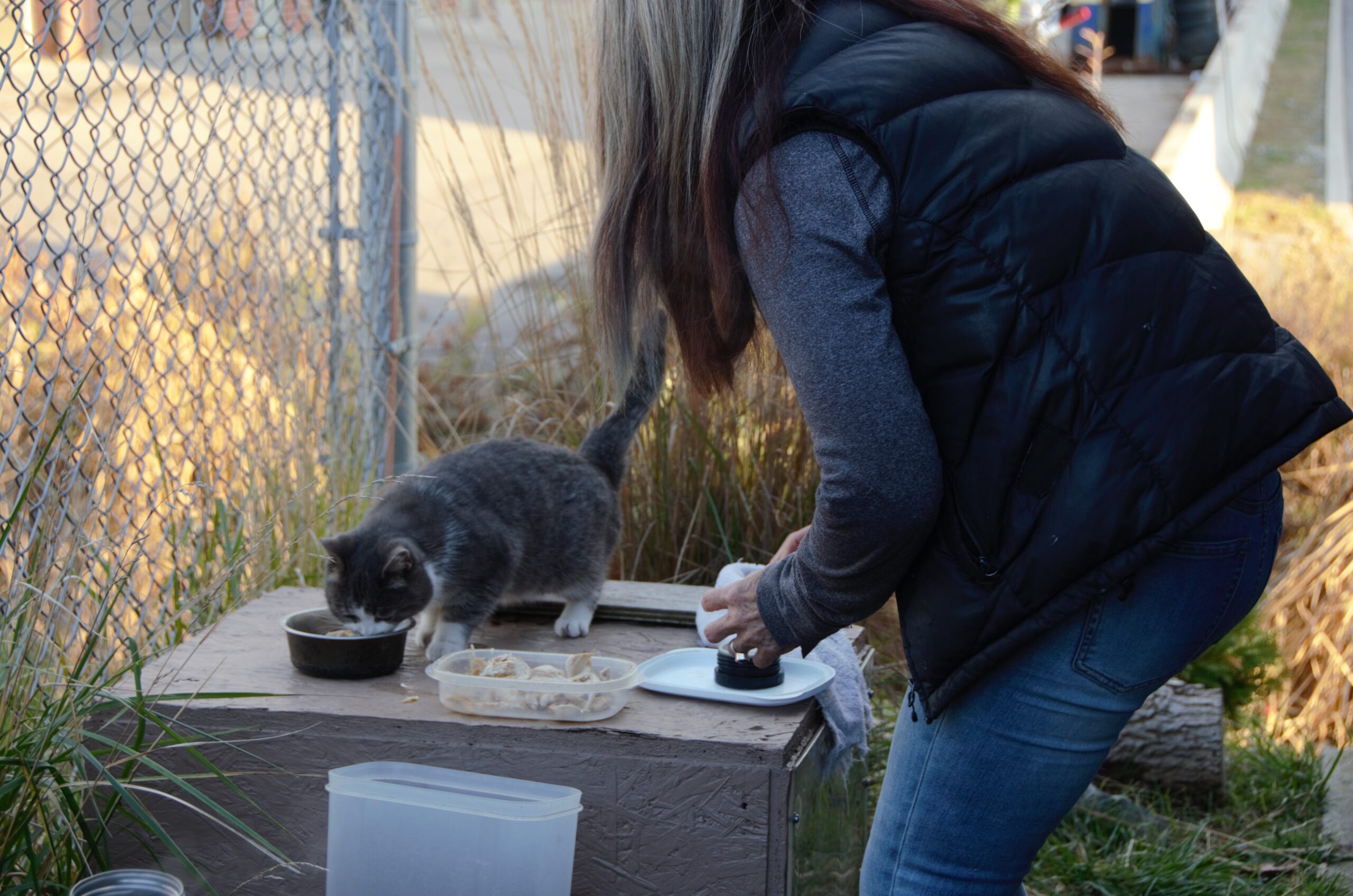
While some feral cats have to survive by themselves in the wild, some are lucky enough to be taken care of by colony caregivers. Caregivers are volunteers in charge of feeding and monitoring the feral cats. Monitoring means watching out for signs of illness or injury, spaying or neutering the cats, and keeping track of the number of cats.
There are approximately 1501 reported colonies in Toronto, with an average of seven cats per colony, according to Community Cats Toronto (CCT), a volunteer-run organization that is dedicated to helping feral cats. However, a CCT spokesperson says this number only includes the colonies registered with their organization. The number is also based on anecdotal evidence, meaning caregivers may fail to update the number of cats in their colonies.
The most recent study estimates 17,000 feral cats across the GTA.
Despite the number of cats, many caregivers say there needs to be more awareness about feral cats as not enough people even know they exist.